
When the System Crashes, Community Steps Up
Israel leads youth mentorship at Urban Ventures. This is what the last three months looked like from where he stood, and what it will take to walk the road ahead.
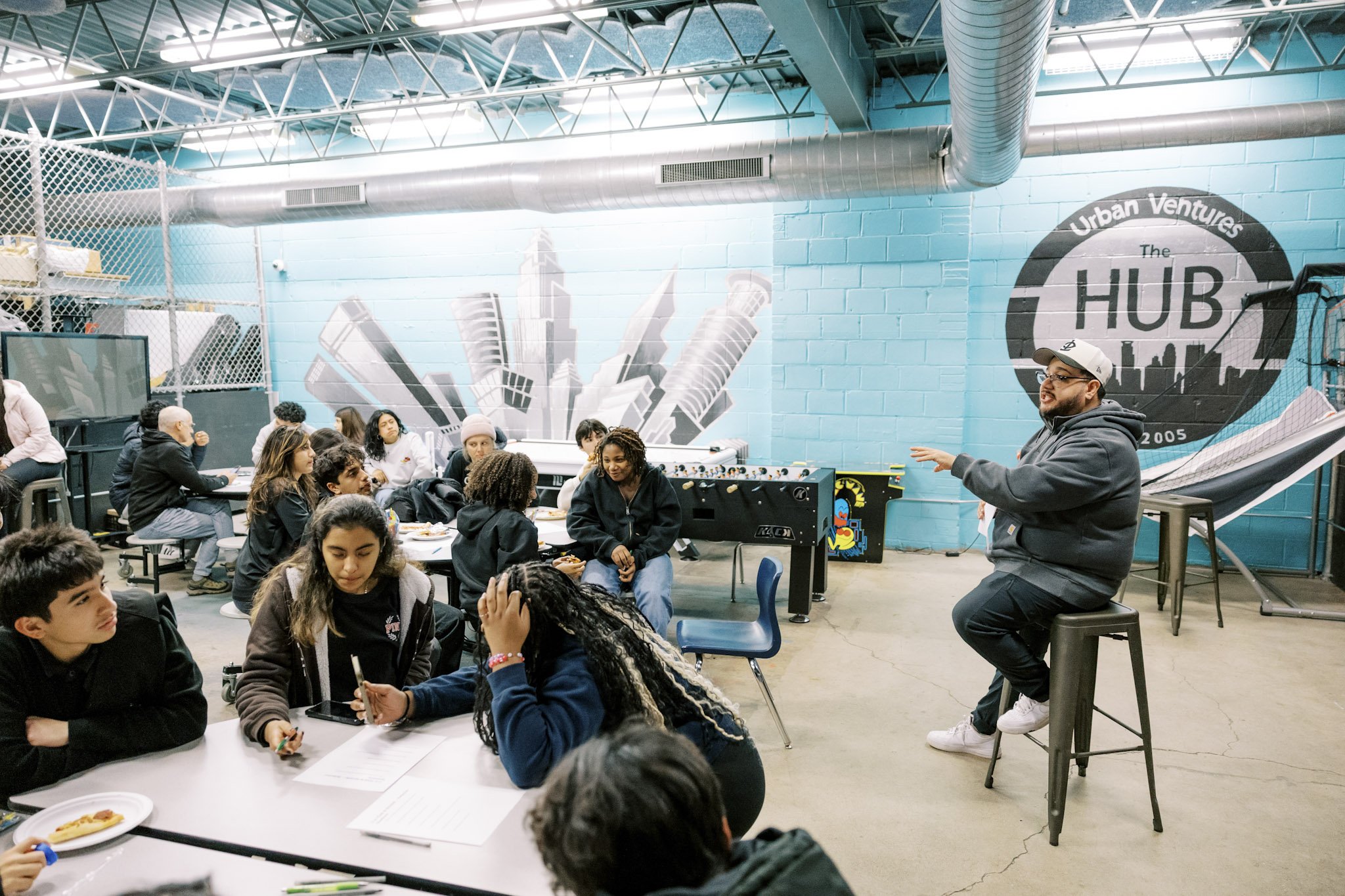
Israel talks about his work the way a lot of people talk about their neighborhood: it is not a job you leave at the office. The teenagers he mentors are part of his actual life. Their families are his community. When something happens to them, it happens to him.
"The last three months have been some of the hardest of my life."
When enforcement operations swept through South Minneapolis, the effects were immediate. Schools went virtual. Families stopped going to work, to church, to the store. The streets felt different in a way that is hard to describe unless you were in it.
"It wasn't just something on the news," Israel said. "It was happening to the people I know. The kids I mentor. The families I serve."
Israel is a DACA recipient. His paperwork is in order. And yet even with documentation, the fear was real.
"Every siren, every van, every rumor made your heart jump," he said. "You live with the tension in your body all the time. Am I safe? Are my papers enough? Will someone make a mistake and my life changes in a moment?"
Legal status offered no guarantee of safety. The fear did not sort people by paperwork. The uncertainty impacted everything. It was emotional, relational, communal.
"When the system comes crashing down on your community," he said, "you don't get the luxury of stepping away. You step up."
Israel did. So did mentors, neighbors, and Urban Ventures staff across programs. They were helping families navigate food support and rental assistance, making calls, connecting people to resources, showing up in whatever way the moment asked for. It was not easy, and it was not without cost. But the people they serve needed them present, and so they were.
Some People Aren't Coming Back
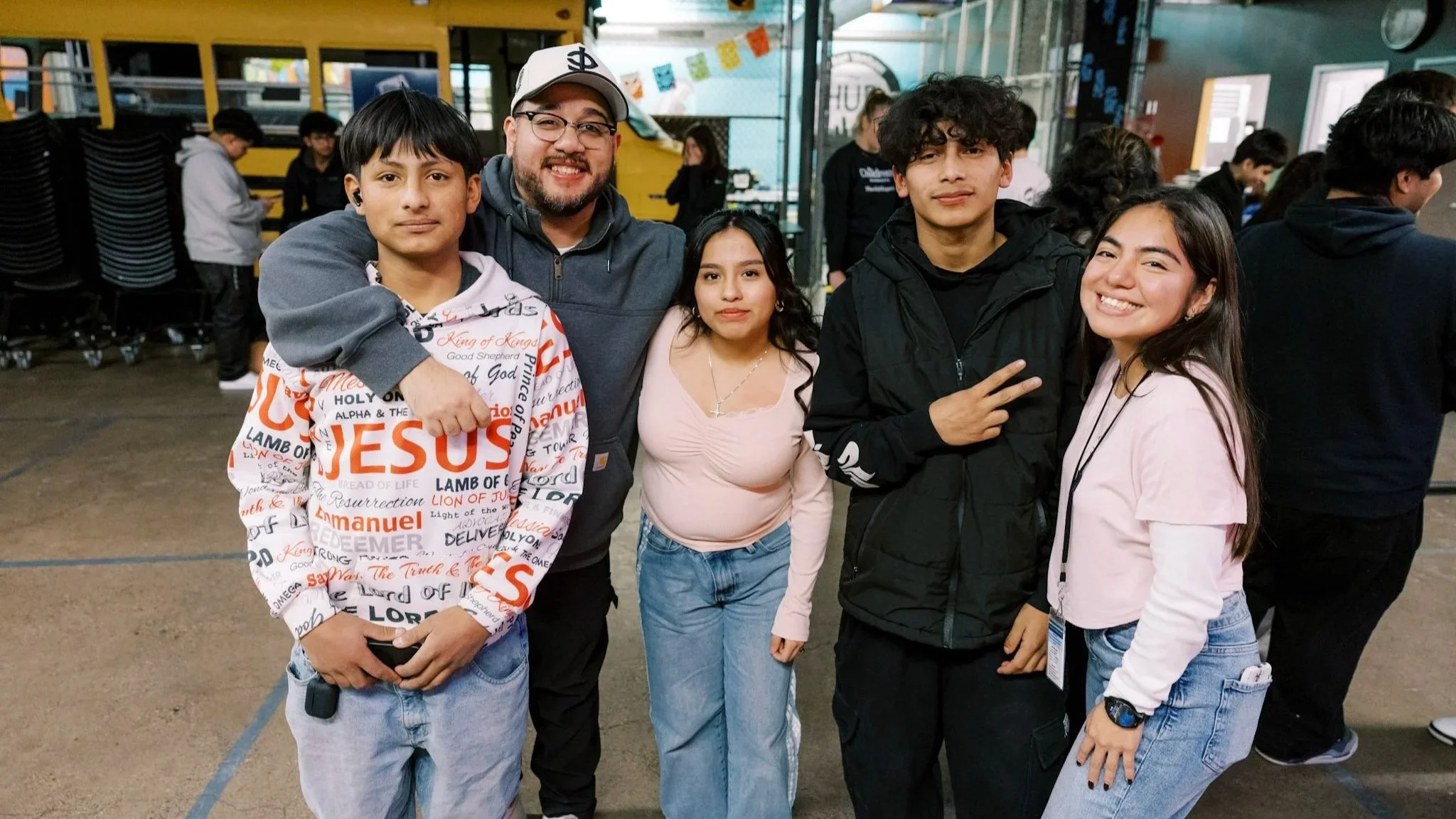
What makes the last three months different from other hard seasons is not just the fear that moved through the community. It is the permanence of what some families lost.
Two brothers Israel mentors watched their father get detained. Within days, the family made the decision no one wants to make. They would leave. Their life in Minnesota was over.
Israel went to say goodbye.
Standing there, on the day the family was leaving everything behind, one of the boys told Israel that their time together had mattered to him. That the mentoring relationship had been something real.
"That's what this work is," Israel said. "You pour into a kid knowing you might not see how it turns out. Sometimes things get cut short before they're done. But interrupted isn't the same as lost. That boy knew he was loved and supported by people who believed in him. That doesn't leave just because he had to."
The family is somewhere else now. New country, new school, new home, rebuilding much of what they had to leave behind. The life they built here did not come with them, but they are not without the people who poured into them.
They are not alone in the rebuilding, either. Across the communities Urban Ventures serves, families are doing versions of this, some here in South Minneapolis, some abroad, all figuring out how to move forward.
Others are still here, carrying something that does not resolve on its own. A parent who has not been the same since. A teenager who has gone quiet and no one has asked why yet. Officials have started counting the economic cost of the last few months. What's harder to measure is the mental and emotional impact. But it is evident that the cost, however it's measured, is high.
What It Takes to Recover
“Even when systems fail us, community doesn’t have to.”
“Hope is the people who refuse to abandon each other," Israel said.
He watched that play out over three months; neighbors, staff, and families chose to stay connected when it would have been easier not to. That kind of community is what made it possible for people to get through. And it is what recovery is going to require, too.
Recovery from a season like this is real work. Families who spent weeks in sustained fear need mental health support. Families whose income was disrupted need financial stability. And everyone needs the kind of long-term, consistent presence that helps people rebuild a foundation, not just get through a crisis.
That is the work Urban Ventures is here to do. And right now, we need your help to do it.
How You Can Help
Urban Ventures is raising support for the long-term recovery of families affected by the events of the last three months. Your gift will fund mental health care, financial stability, and the sustained community presence that helps families move from surviving to rebuilding.
Right now, your gift will be matched dollar-for-dollar through the generosity of one of our community partners, BI Worldwide, doubling your impact in our neighborhood.
Israel is still showing up. So is our team. We hope you will too.